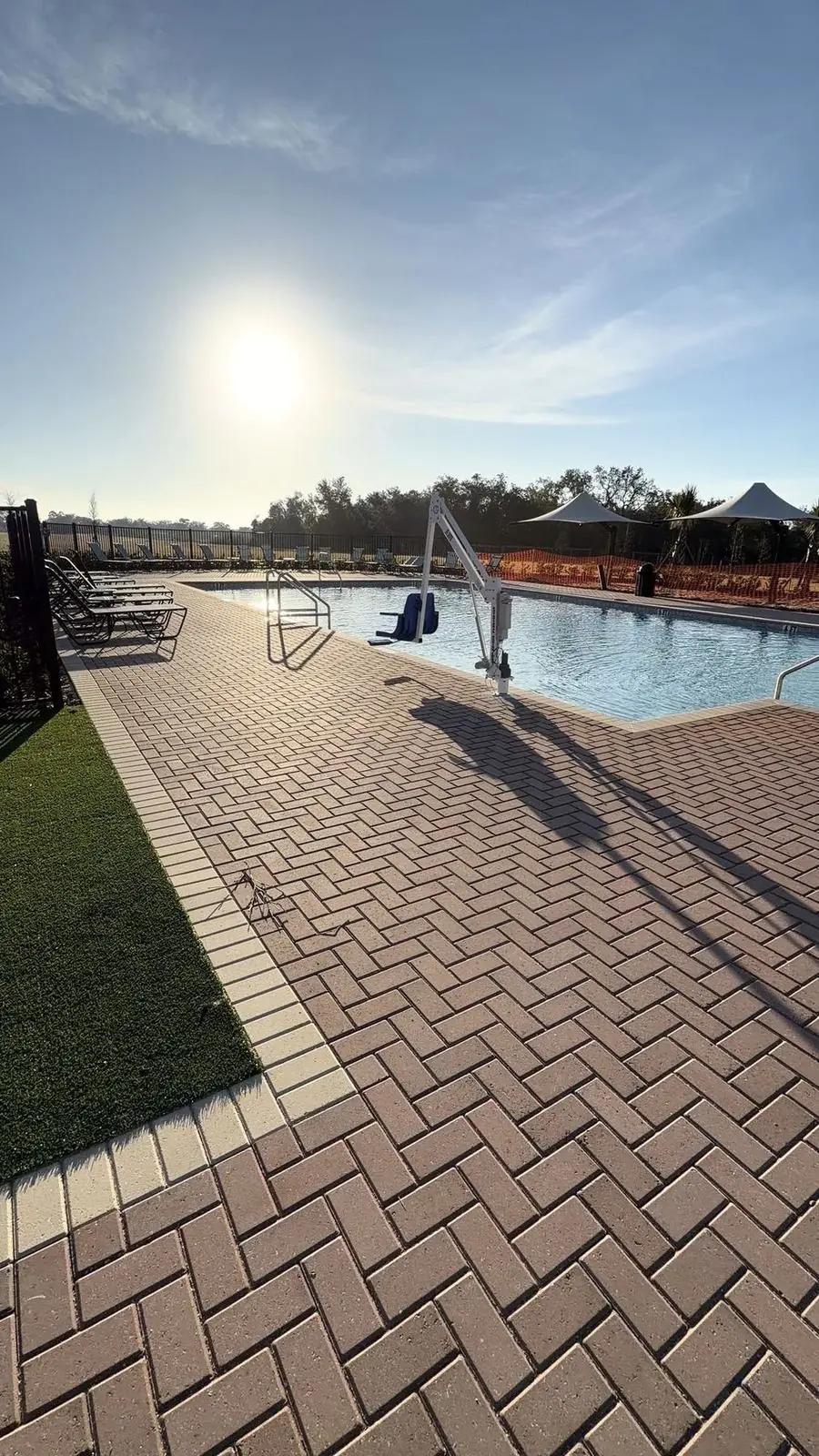
Saltwater Pool Conversion in Tampa Bay
Softer water and steady chlorine, with your heater, coping, and finish checked for salt first.
Start Your Project
Get a Free Quote
Free design consultation & 3D rendering. No pressure, no obligation.
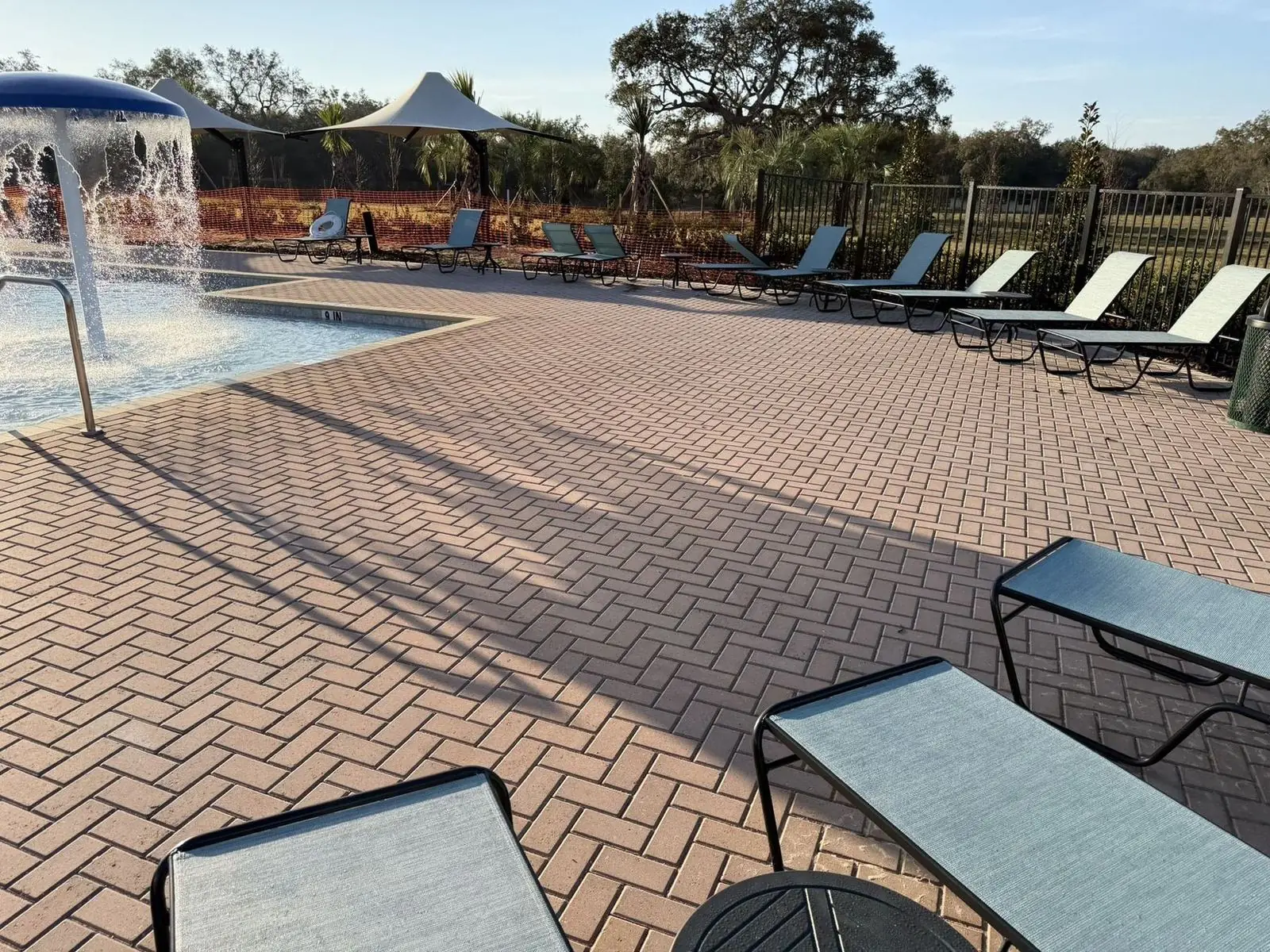
Pool Remodeling
Switch to Salt the Right Way, With the Whole Pool in Mind
A saltwater pool conversion adds a salt chlorine generator to your existing pool so it makes its own chlorine from dissolved salt instead of relying on tablets and liquid chlorine. In Tampa Bay, most conversions cost between $1,800 and $4,500. The generator and cell account for $1,500 to $3,000 of that, and the rest covers installation, electrical connection, the initial salt and water balance, and any hardware that should be swapped before the pool goes salt.
A salt pool is still a chlorine pool. The difference is how the chlorine gets there. Water carrying a low level of salt, roughly one tenth the salinity of the ocean, passes through an electrolytic cell that converts it to chlorine whenever the pump runs. The result is steadier sanitizer levels, water that feels softer on skin and eyes, and no more hauling jugs or buckets of tablets home from the store.
The part many installers skip is the review of everything else the water touches. Salt is mildly corrosive over time, so Evolution Pools checks your heater, ladders and rails, coping, interior finish, and deck before recommending a conversion. If something is not salt-ready, we tell you up front and include it in an itemized quote so there are no surprises a year later.
Pricing
What Saltwater Pool Conversion Costs in Tampa Bay
Typical project: $1,800–$4,500
| Item | Typical range |
|---|---|
| Salt chlorine generator and cellSized above your pool volume | $1,500–$3,000 |
| Installation and plumbing at the pad | $300–$800 |
| Electrical connection and bonding check | $200–$600 |
| Initial salt and water balancing | $150–$400 |
| Salt-safe hardware swaps (ladders, rails, fasteners)Only if needed | $300–$1,500 |
Pool volume sets the size of the generator, and the condition of your heater, metal hardware, and natural stone decides whether extra work is needed before the switch.
How a Salt System Works in Florida
Florida sun breaks down chlorine fast. In a traditional pool, a dose that looks fine in the morning can be gone by late afternoon in July, and that dip is when algae gets a foothold. A salt chlorine generator produces chlorine continuously while the pump runs, which keeps levels steadier through long, hot days. Paired with proper stabilizer levels, it is one of the simplest ways to keep a Tampa Bay pool clear all summer.
Output is adjustable. During heavy summer rains, when the pool fills with fresh water and salt is diluted, you may need to add salt or raise output. After a large storm, output may need to go up for a few days to recover. If your pool has automation, you can make those changes from your phone instead of walking out to the pad.
The cell is a consumable. In Florida's year-round swim season it typically lasts three to seven years, depending on run hours, water balance, and how often it is cleaned of scale. Replacement cells cost a few hundred dollars, which most owners recover through lower chemical spending.
What We Check Before Converting
Salt water is gentle on swimmers but harder on certain materials over the long term. Before converting, we look at every component the water touches and every surface it splashes onto. Most pools are fine with a few adjustments, but it is far cheaper to address them now than to repair corrosion or etching later.
Natural stone is a common example. Unsealed travertine or limestone coping can absorb salt water, and as it dries the salt crystals can slowly break down the surface. Sealing stone, and resealing on schedule, prevents that. Older plaster finishes can also wear faster with salt; if your interior is due anyway, pairing the conversion with a pebble or quartz finish gives you a surface that holds up better.
- Heater heat exchanger material and compatibility
- Ladders, handrails, light rings, and fasteners
- Natural stone coping and deck, sealed or unsealed
- Interior finish type and condition
- Deck drainage near stucco walls and screen enclosure footers
- Bonding and electrical at the equipment pad
Installation and Startup
The generator cell is plumbed into the return line after the filter and heater, and the power supply is connected to a dedicated circuit or your automation system. We confirm bonding at the pad, then add salt to the target level based on your pool volume and let it dissolve and circulate before the cell is turned on.
Startup includes a full water balance: pH, alkalinity, calcium hardness, and stabilizer all affect how well a salt system performs and how long the cell lasts. Florida's hard water makes calcium scaling on the cell a common issue, so we set chemistry to reduce it and show you how to inspect and clean the cell. Most conversions are completed in a single day, and you can swim once the water is balanced.
When Salt Fits Best With Other Upgrades
A salt conversion is often part of a larger equipment upgrade. If your pump is single-speed, replacing it with a variable-speed model at the same time lets the pump run longer at lower power, which also gives the salt cell more time to produce chlorine. Adding automation ties it all together.
Conversions also fit well with a remodel. When the pool is being resurfaced or the coping replaced, we can choose salt-friendly finishes and sealers from the start. On a full renovation, our in-house paver crews can grade the new deck so salt water drains away from the house, stucco, and lanai footers.
Let's Design Your Dream Pool
Free design consultation and 3D rendering. No pressure, no obligations.
Our Process
How We Build Your Pool
Design Consultation
Free on-site visit to walk your yard, talk through how you'll use the space, and set a realistic budget.
3D Design & Proposal
A custom 3D design of your pool, spa, deck, and outdoor living space with material selections and an itemized proposal.
Engineering & Permits
Engineered plans, permit submittal to your city or county, and HOA architectural approval, all handled by us.
Construction
Excavation, steel, plumbing, gunite shell, tile and coping, paver deck, equipment, and interior finish. One team, start to finish.
Startup & Orientation
We fill the pool, balance the chemistry, and walk you through every piece of equipment before we hand over the keys.
FAQ
Saltwater Pool Conversion Questions
How much does it cost to convert a pool to saltwater in Tampa?
Is a saltwater pool better than chlorine in Florida?
Does a salt pool damage pavers or travertine?
Do I need to drain my pool to convert to salt?
How long does a salt cell last in Florida?
Can a saltwater system work with my existing heater?
How much salt does a pool need?
Often Paired With
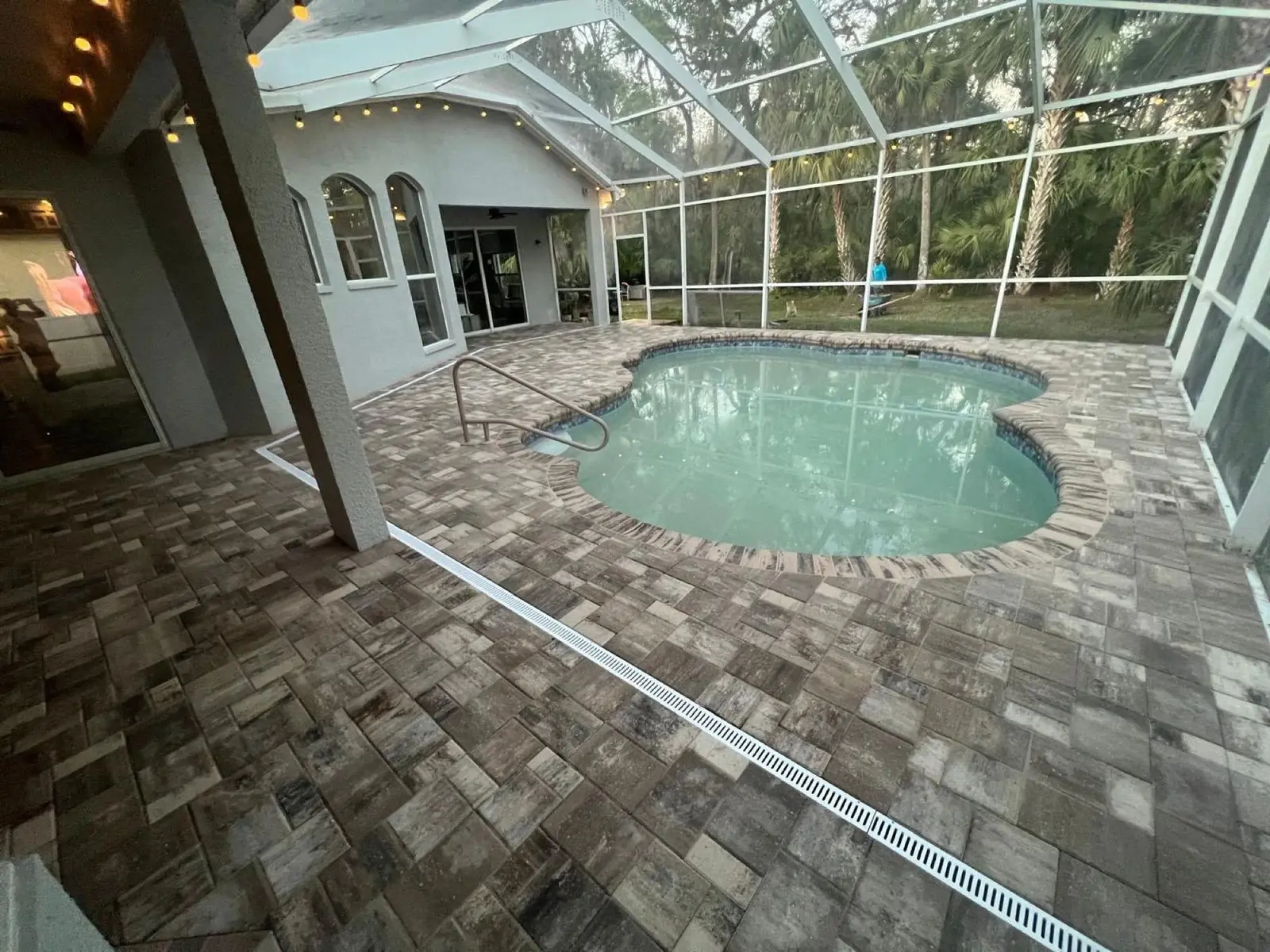
Pool Equipment Upgrades & Automation
Variable-speed pumps, larger cartridge filters, heat pumps, and automation that lower operating costs and make an older pool easier to run.
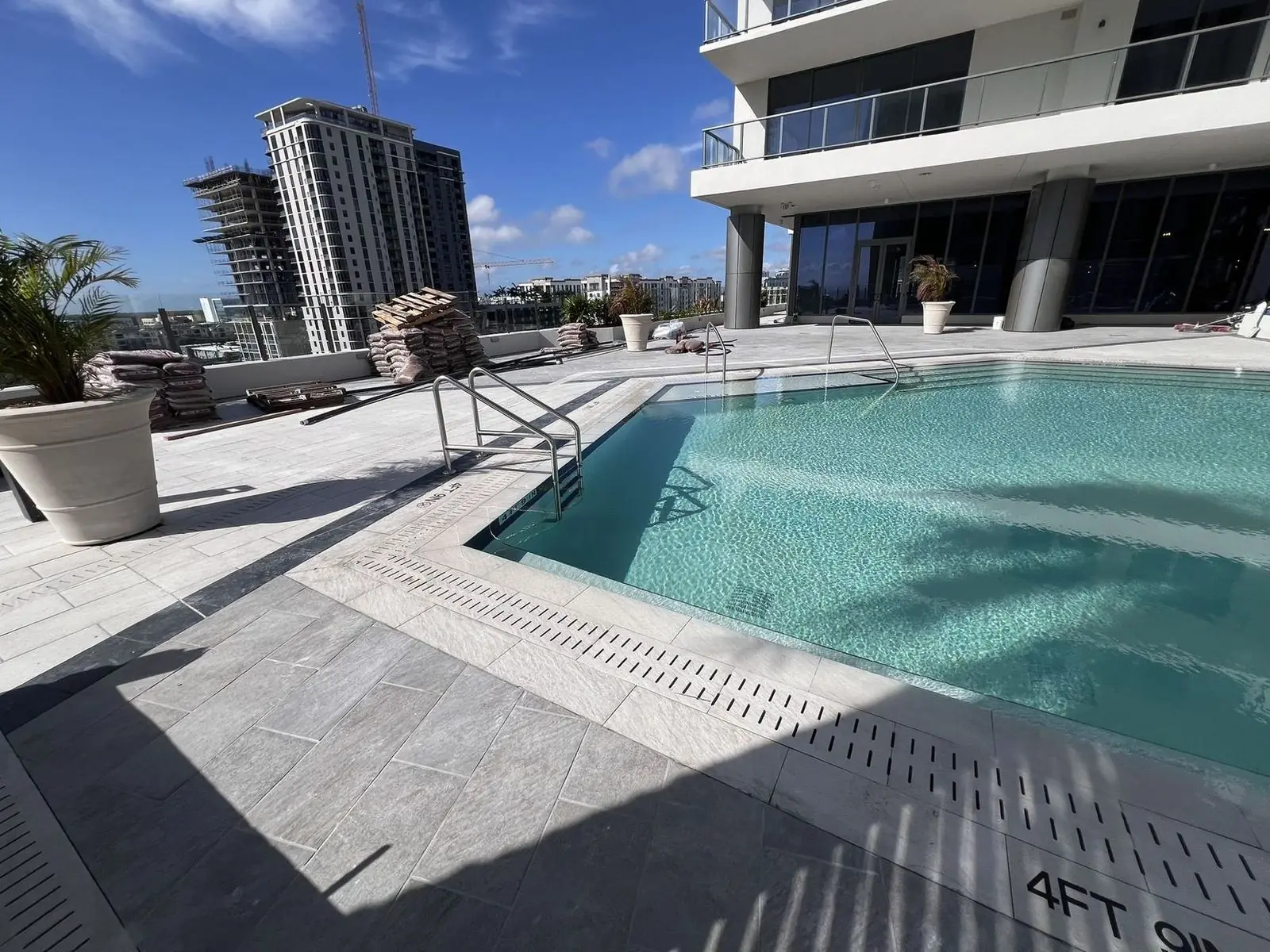
Pebble Pool Finishes
Exposed and polished pebble aggregate finishes for Tampa Bay pools. The longest-lasting interior surface we install, with colors from tropical blue to deep lagoon.
Travertine Pool Decks
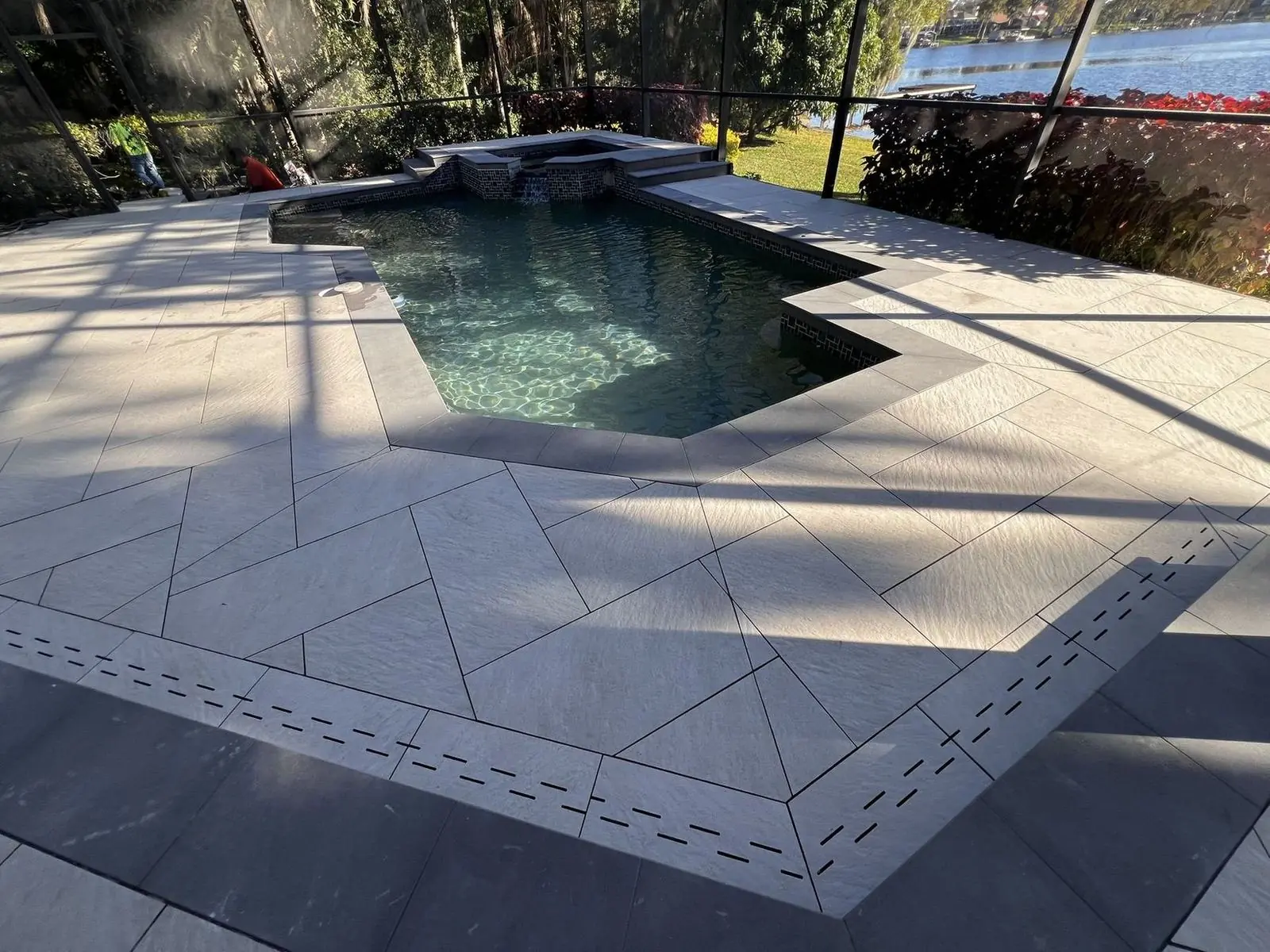
Natural travertine pool decks and coping that stay cool in August, installed on a compacted base by the crews behind Evolution Professional Pavers.
Where We Work
Pool Remodeling Across Tampa Bay
We build in six counties along Florida's Gulf Coast. Pick your community for local details, or browse every service area.
From the Blog
Related Reading
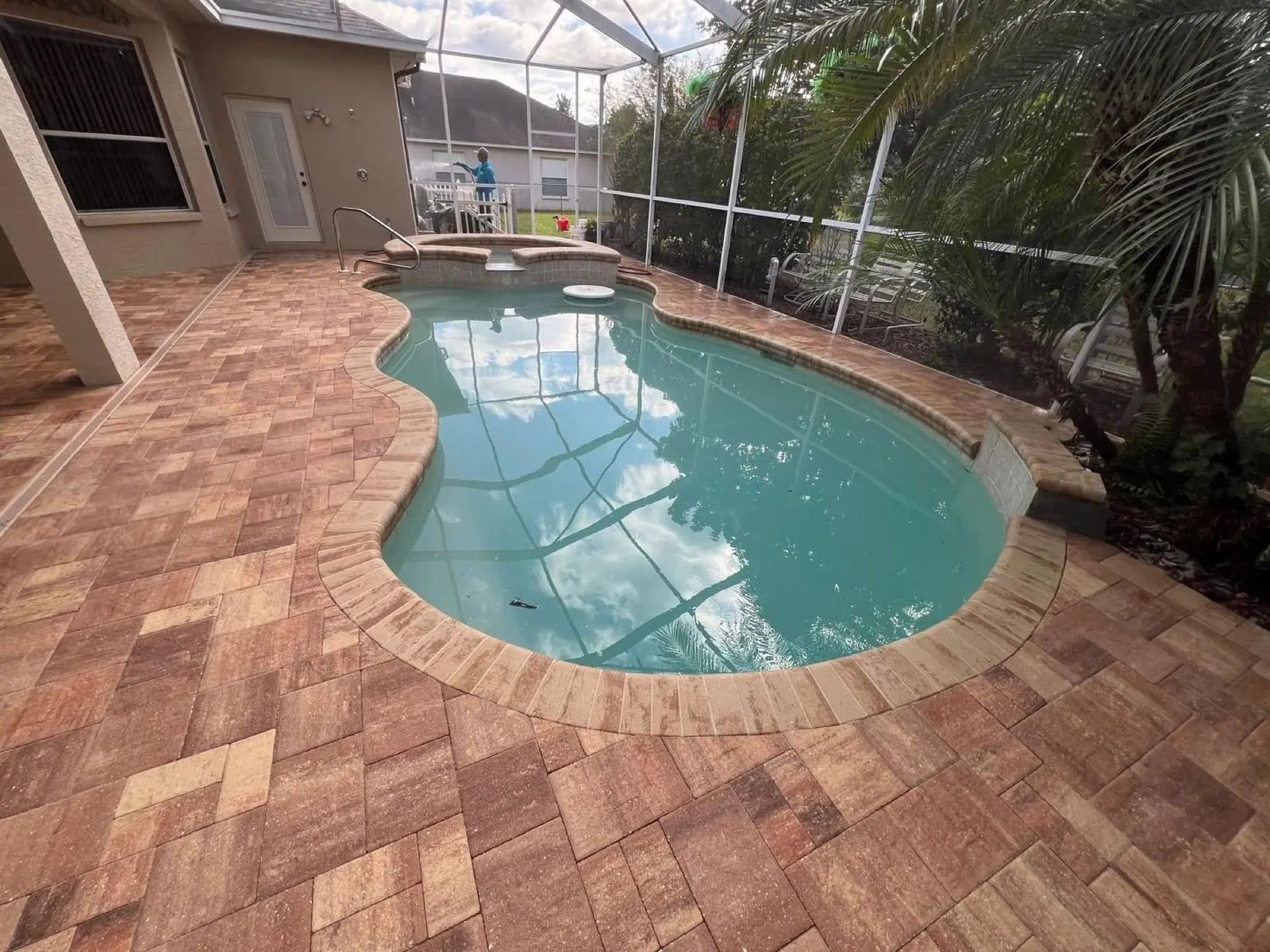
Saltwater vs. Chlorine Pools in Florida: What Actually Matters
Salt systems are the default on most new Tampa Bay pools. Here is what they do, what they cost, and the few situations where traditional chlorine still makes sense.
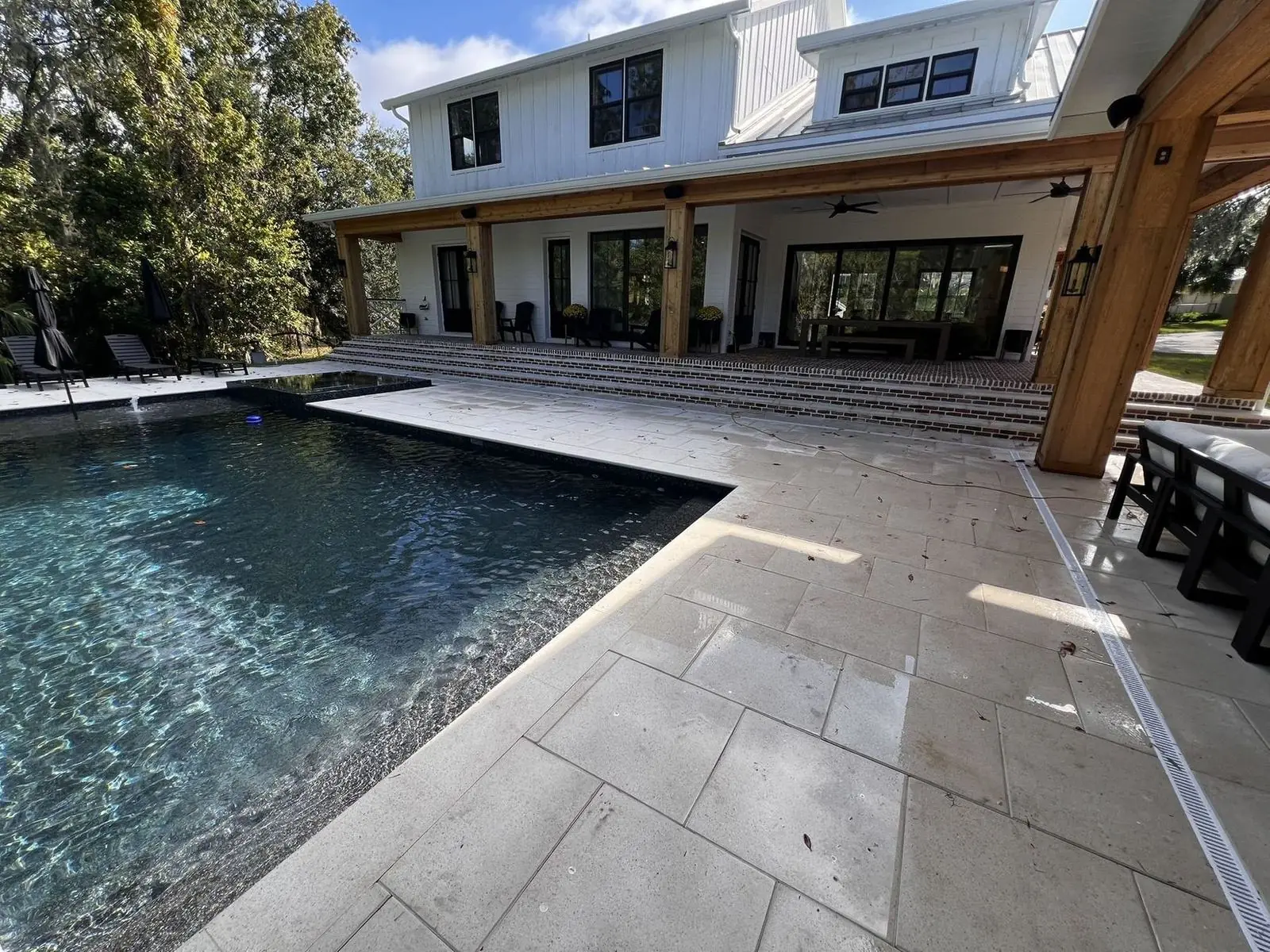
Pool Equipment Upgrades That Lower Your Electric Bill
Variable-speed pumps, larger filters, heat pumps, LED lighting, and automation: which pool equipment upgrades actually cut operating costs in Tampa Bay, and in what order.
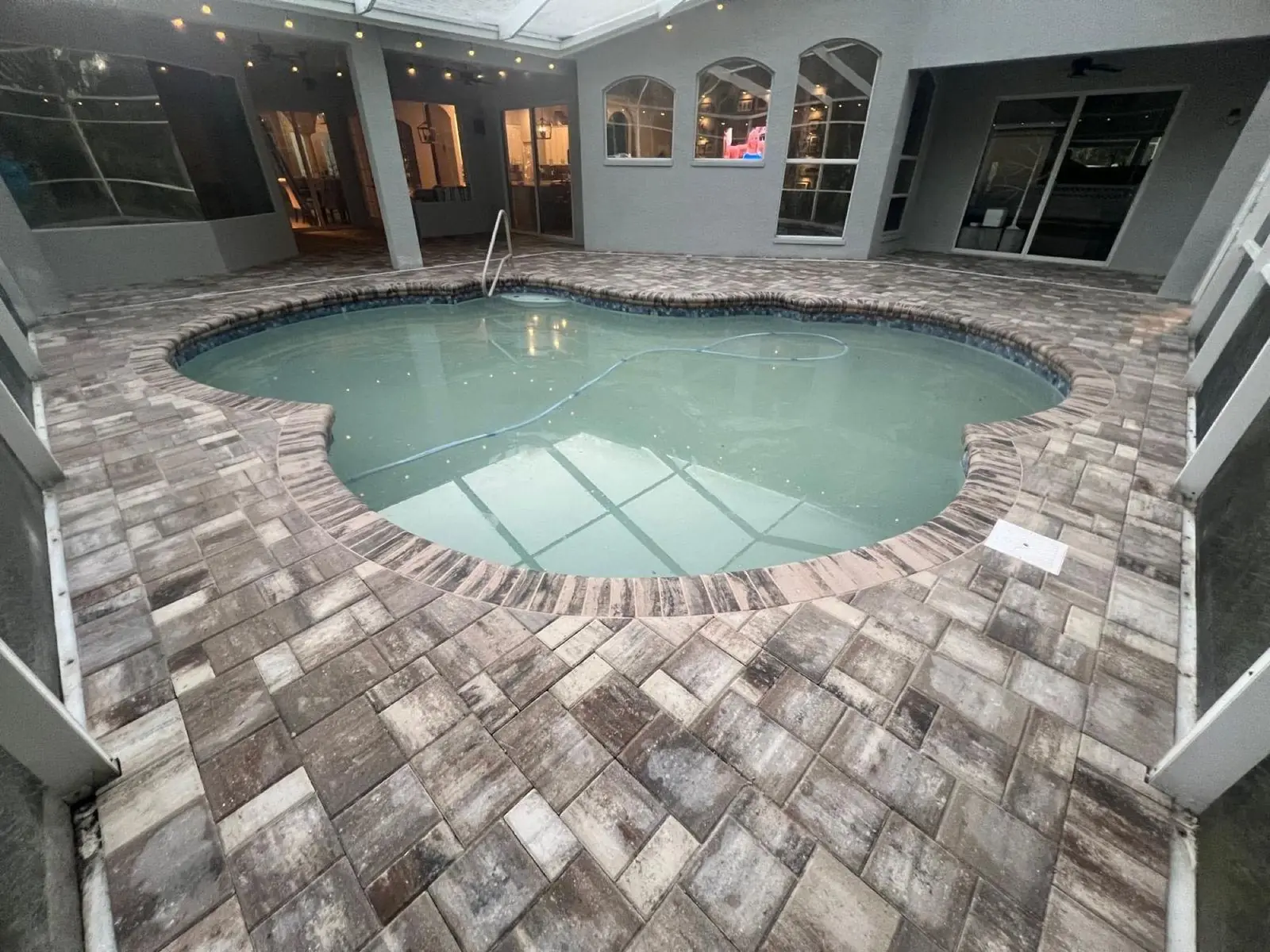
Pool Resurfacing Options: Plaster vs. Quartz vs. Pebble
Which interior finish is right for your Florida pool? A side-by-side look at cost, lifespan, feel, and color for the three finish families we install.