Add a Spa to Your Existing Pool in Tampa Bay
A custom gunite spa tied into your current pool, so the backyard works in January as well as July.
Start Your Project
Get a Free Quote
Free design consultation & 3D rendering. No pressure, no obligation.
In-Ground Hot Tubs
Turn the Pool You Have Into a Year-Round Pool and Spa
Adding a spa to an existing pool means building a new gunite spa that is structurally tied into your current pool shell, plumbed back to the equipment pad, and heated with its own fast-acting heater. In Tampa Bay, a spa addition typically costs $25,000 to $45,000, depending on the spa's size, whether it is raised with a tiled spillway or set flush with the deck, and how much of the existing equipment needs upgrading.
That is more than a spa included in a new pool build, because the deck has to be opened and the existing shell cut, but it is a fraction of the cost of replacing the pool. For most families it is also the single change that does the most for how often the backyard gets used, since Tampa Bay evenings from November through March are ideal for a 102 degree soak and a little cool for swimming.
Evolution Pools designs every spa addition in 3D before any concrete is cut, so you can see the spa's position, height, and spillway from the lanai and kitchen window. Each project is engineered, permitted, and inspected, and we are licensed and insured.
Pricing
What Add a Spa to Your Existing Pool Costs in Tampa Bay
Typical project: $25,000–$45,000
| Item | Typical range |
|---|---|
| Engineering, permits, and inspections | $1,500–$3,500 |
| Deck opening, shell cut, steel tie-in, and gunite spa shell | $9,000–$16,000 |
| Jet, return, and blower plumbing to the equipment pad | $3,000–$6,000 |
| Spa heater, valves, blower, and automationGas or propane recommended for fast heat-up | $4,500–$9,000 |
| Spillway wall tile, coping, and spa interior finish | $3,500–$8,000 |
| Deck patch or replacement around the spaFull deck replacement quoted separately | $2,000–$6,000 |
Spa size and seating, raised versus flush design, spillway tile selection, and whether your equipment pad and electrical service can support a heater and blower are the biggest price drivers.
How a spa is added to a built pool
The pool is drained and the deck is removed where the spa will sit, usually at a corner or along one side where it can be seen from the house. We cut the existing shell along the spa's footprint, drill and epoxy new reinforcing steel into the old structure, and tie it to the spa's steel cage so the pool and spa act as one shell. Plumbing for jets, returns, the air blower, and a suction line runs back to the equipment pad. After a plumbing inspection, the spa is shot in gunite, including the dam wall and spillway that send water back into the pool.
Once the gunite cures, the spillway wall is tiled, coping is set, and the spa interior is finished. Because the pool is already empty, most owners resurface the whole pool at the same time so the spa and pool finishes match exactly; a pebble aggregate finish is a popular choice here because it holds up to the higher temperatures inside a heated spa. The equipment side gets a heater, a blower, and valves that isolate the spa for heating, along with automation so it can be started from a phone.
In Florida's sandy soil with a high water table, the excavation for a spa footwell can take on groundwater, especially in summer. We plan for dewatering when needed and confirm the hydrostatic relief on the existing pool before draining so the shell is never left empty longer than necessary.
Raised spillover or flush spa
A raised spillover spa sits 12 to 18 inches above the pool's waterline with a tiled spillway wall facing the pool. It is the classic Florida look and the easiest way to hide the joint between new and old construction. The spillway wall becomes the most designed surface in the yard, finished in glass mosaic, porcelain, or stacked stone, and it sounds like a small water feature whenever the spa circulates.
A flush spa sits level with the pool, separated by a dam wall just below the waterline, for a clean modern profile. It suits contemporary homes and screened pools where a raised wall would block the view through the enclosure. The design attention shifts to the coping line, which should be continuous across pool and spa.
- Raised: stronger focal point, more tile to design, slightly higher cost
- Flush: quieter look, better sightlines in a screen enclosure
- Both: fully custom size, bench height, and jet layout in gunite
Heating, equipment, and the electrical side
A spa you actually use is a spa that heats quickly. A natural gas or propane heater brings a typical residential spa from ambient to 102 degrees in 30 to 45 minutes. A heat pump is efficient for the pool but can take hours for a spa on its own, so many owners keep a heat pump for the pool and add gas for the spa. If the house has no gas service, a buried propane tank is a common solution.
Older equipment pads often need attention when a spa is added. A blower and heater add electrical load, and a single-speed pump from fifteen years ago may not have the flow to run spa jets well. We assess the panel and pad during the site visit and, where it makes sense, quote pool equipment upgrades such as a variable-speed pump and automation in the same proposal, so you can choose what to do now and what can wait.
Doing it once: spa, finish, and deck together
A spa addition opens the deck and drains the pool, which are the two most disruptive parts of resurfacing and deck replacement. Bundling them means one mobilization and a backyard that finishes at the same time. Because Evolution Pools is the pool division of Evolution Professional Pavers, the new paver or travertine deck around the spa is built by our own hardscape crews, with grades and drains set to carry water away from the spa and house.
Most standalone spa additions take four to six weeks of construction after permits are issued. Adding a full resurface and deck usually extends that by one to two weeks rather than adding a separate project later.
Let's Design Your Dream Pool
Free design consultation and 3D rendering. No pressure, no obligations.
Our Process
How We Build Your Pool
Design Consultation
Free on-site visit to walk your yard, talk through how you'll use the space, and set a realistic budget.
3D Design & Proposal
A custom 3D design of your pool, spa, deck, and outdoor living space with material selections and an itemized proposal.
Engineering & Permits
Engineered plans, permit submittal to your city or county, and HOA architectural approval, all handled by us.
Construction
Excavation, steel, plumbing, gunite shell, tile and coping, paver deck, equipment, and interior finish. One team, start to finish.
Startup & Orientation
We fill the pool, balance the chemistry, and walk you through every piece of equipment before we hand over the keys.
FAQ
Add a Spa to Your Existing Pool Questions
How much does it cost to add a spa to an existing pool in Tampa?
Can you add a hot tub to any in-ground pool?
How long does it take to add a spa to a pool?
Do I need a permit to add a spa to my pool in Florida?
Will the new spa match my existing pool?
Do I have to drain my pool to add a spa?
Is a gas heater or heat pump better for a spa in Tampa?
Often Paired With
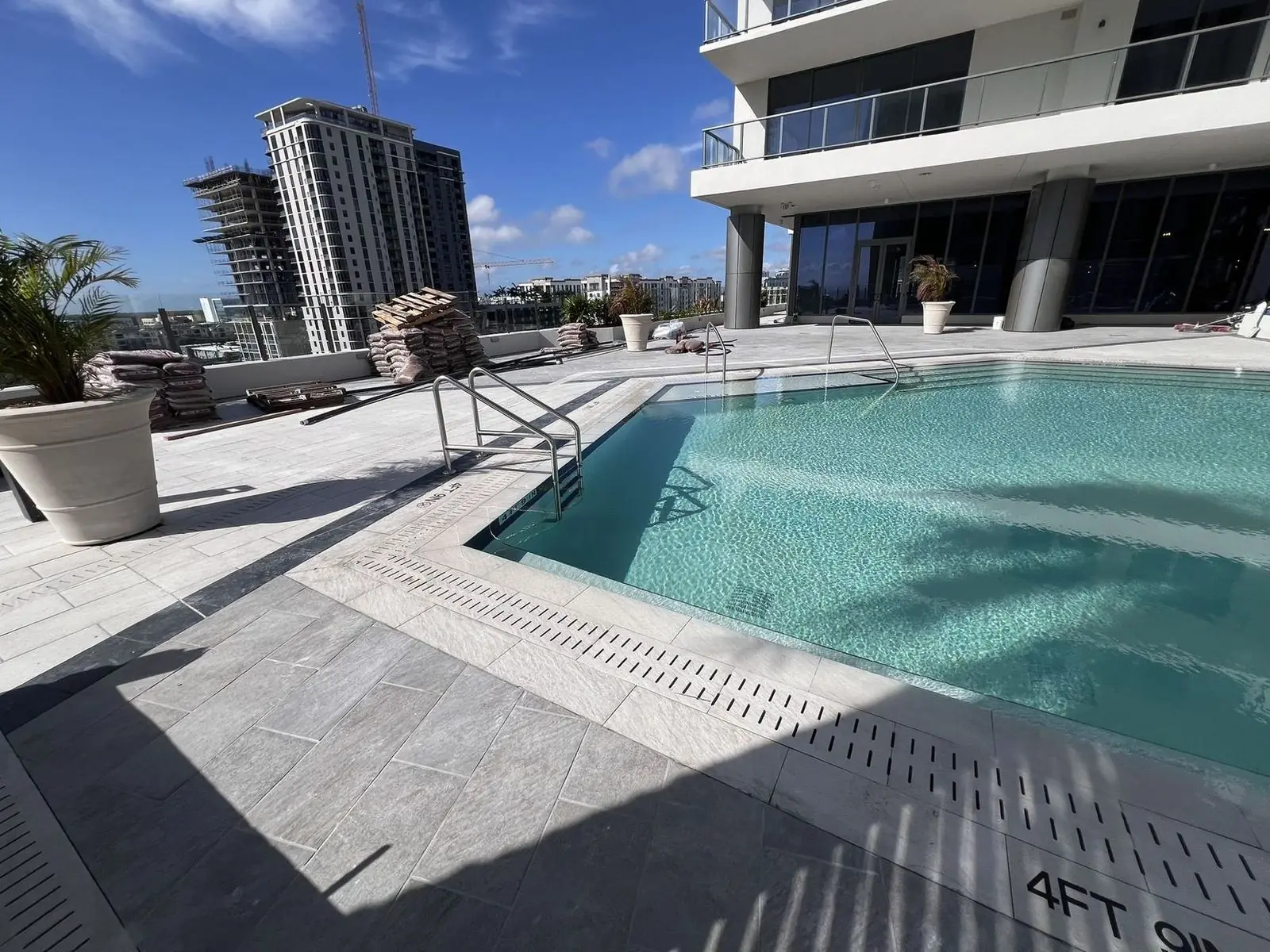
Pebble Pool Finishes
Exposed and polished pebble aggregate finishes for Tampa Bay pools. The longest-lasting interior surface we install, with colors from tropical blue to deep lagoon.
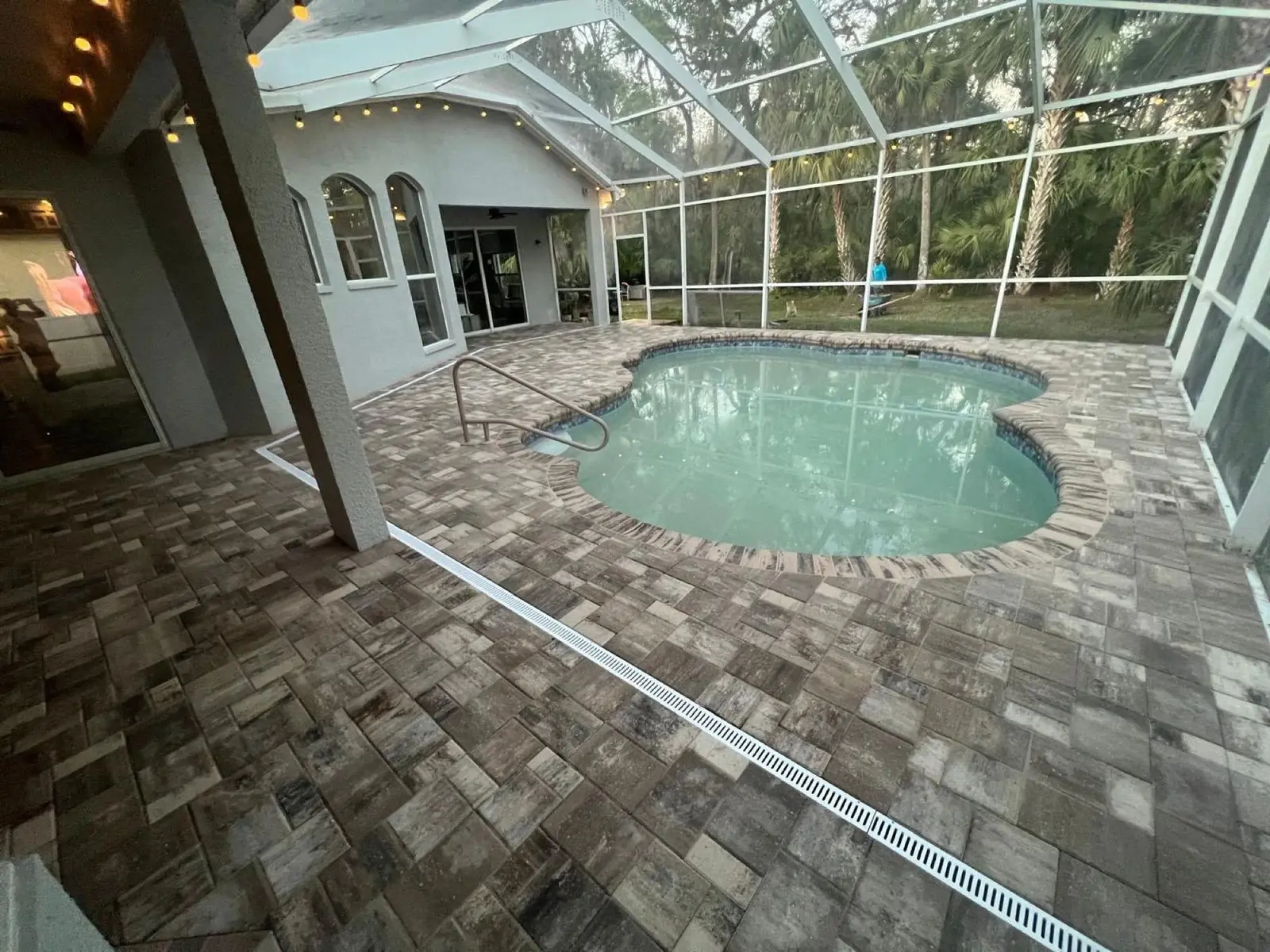
Pool Equipment Upgrades & Automation
Variable-speed pumps, larger cartridge filters, heat pumps, and automation that lower operating costs and make an older pool easier to run.
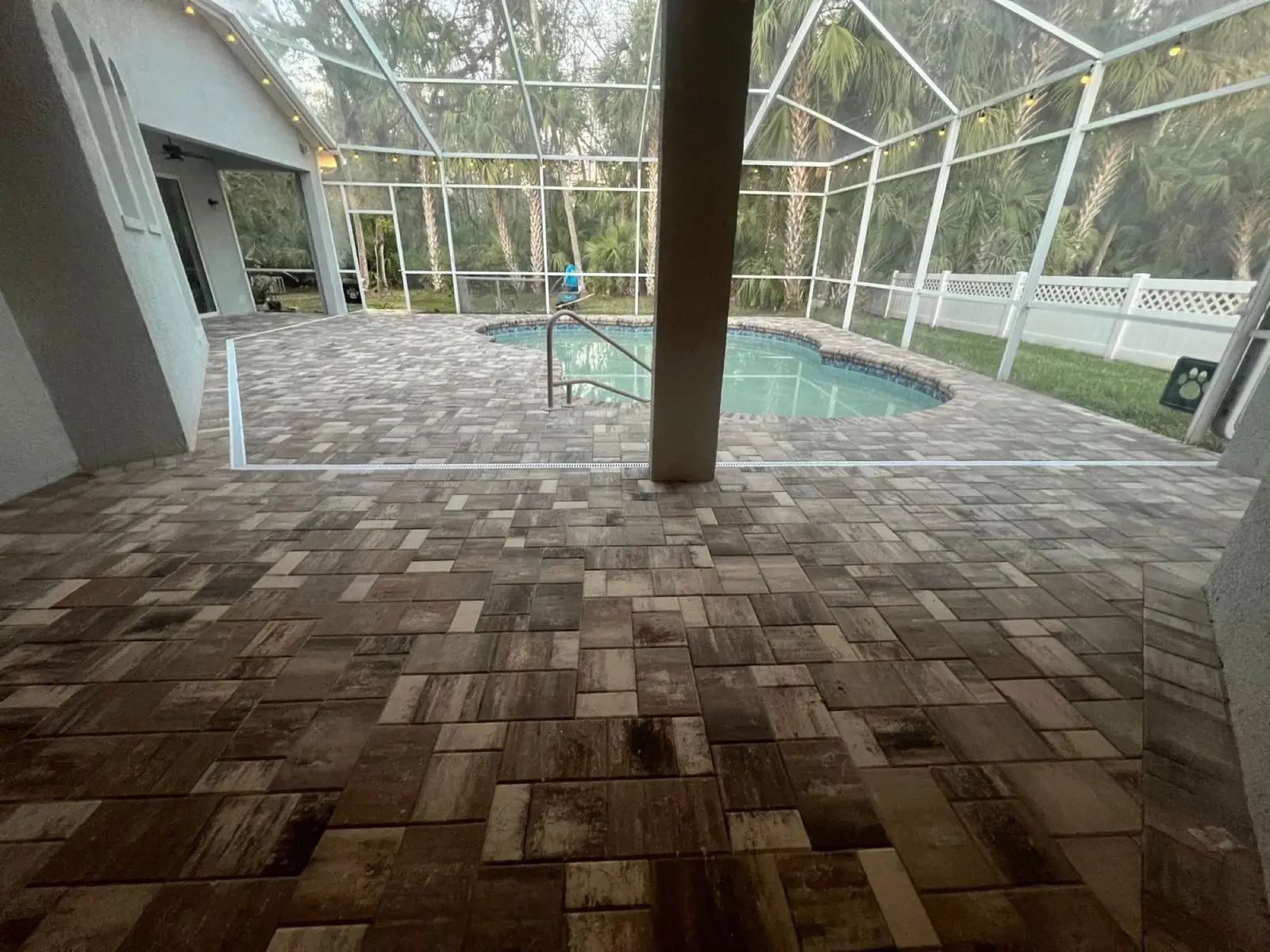
Pool Deck Replacement & Paver Overlays
Tear out a failing pool deck and rebuild it on a proper base, or overlay a sound slab with thin pavers. Built by the in-house crews behind Evolution Professional Pavers.
Where We Work
In-Ground Hot Tubs Across Tampa Bay
We build in six counties along Florida's Gulf Coast. Pick your community for local details, or browse every service area.
From the Blog
Related Reading
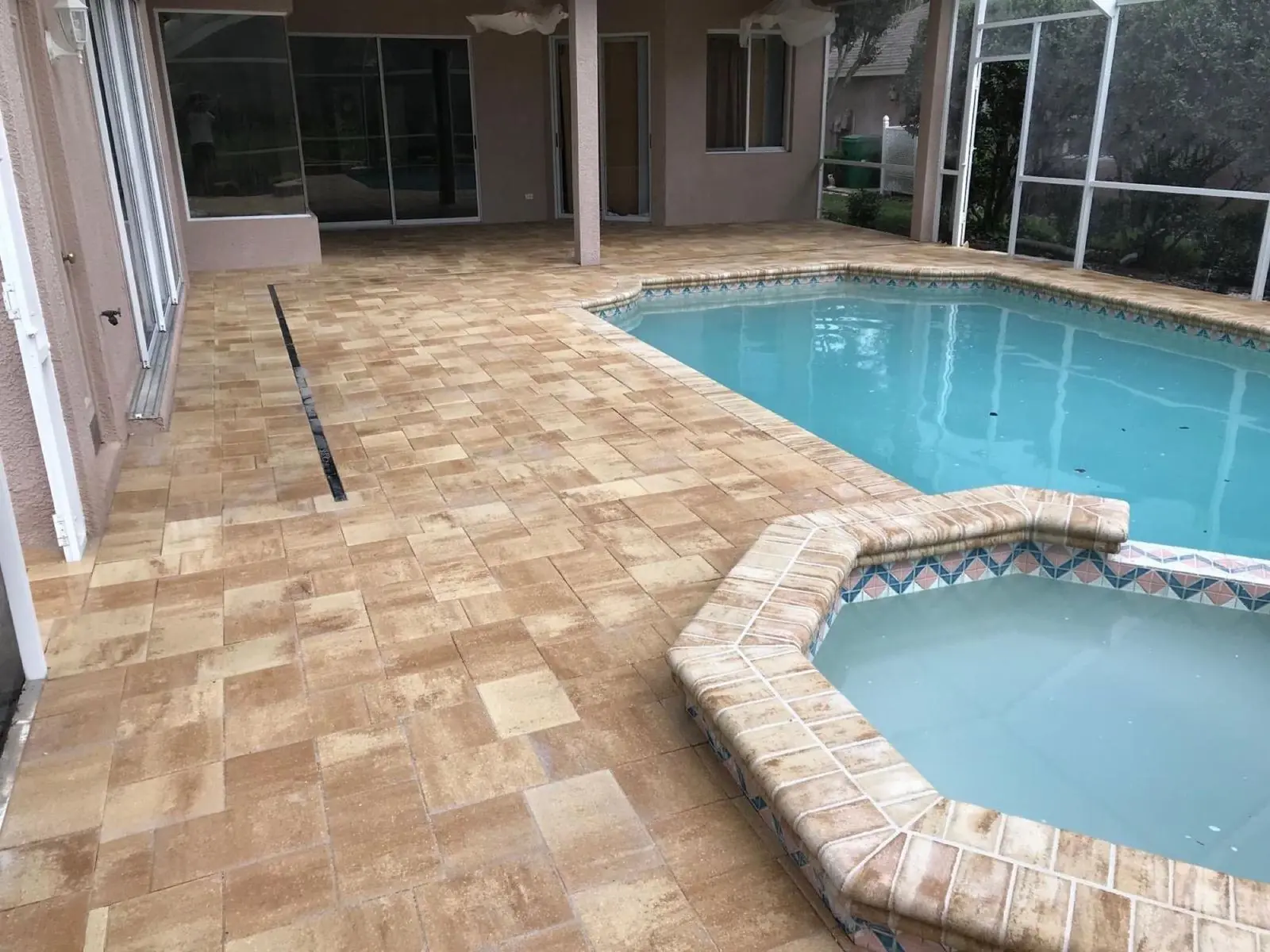
How to Add a Spa to an Existing Pool
Yes, you can add a spillover spa to a pool that's already built. Here's how it's done, what it costs in Tampa Bay, and why it usually makes sense to resurface and redeck at the same time.
Pool Remodel Cost in Tampa: What Actually Drives the Price
From a $15,000 refresh to a $70,000 transformation: the line items in a Tampa Bay pool remodel, what each costs, and where to spend the budget.
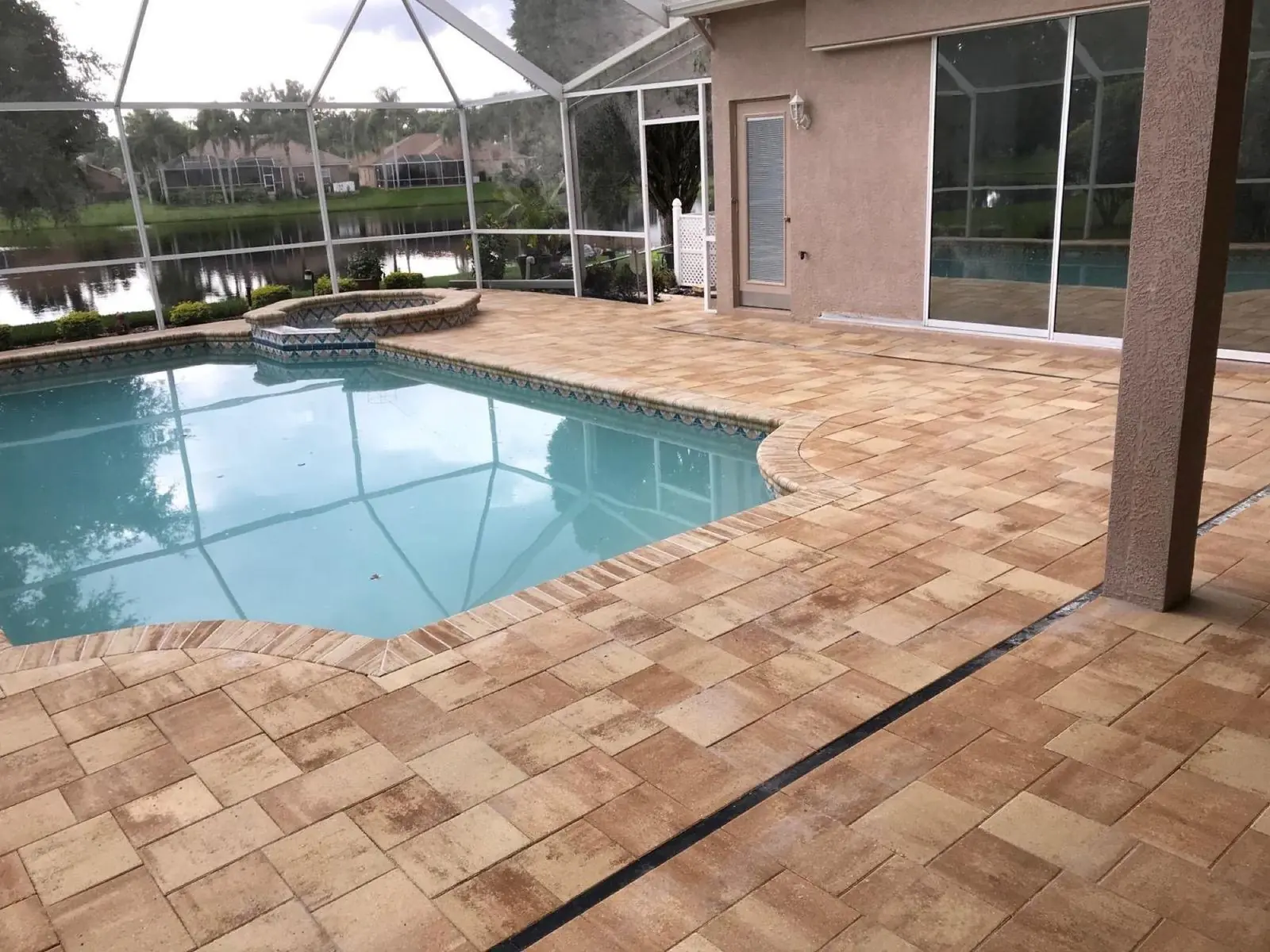
Pool Permits in Tampa Bay: What to Expect and Who Handles What
How pool permitting actually works across Hillsborough, Pinellas, Pasco, Manatee, and Sarasota counties: timelines, inspections, the barrier law, HOA review, and why you shouldn't have to touch any of it.